


Hemp vs Weed. What is the difference?
Aesthetically, for a person who does not grow marijuana or only knows a little about it, it can be very difficult to know what is the difference between hemp and marijuana. The truth is that there are quite significant differences that characterize them, which we will explain one by one in this fantastic post. Stay with us and you will learn everything there is to know about this curious and versatile plant.
THE ORIGIN OF HEMP AND MARIJUANA
The origins of hemp and marijuana have always been linked since they belong to the same family, cannabis. This very special plant is believed to have its origins in Central Asia and South Asia, which date back to almost more than 10,000 years BC Cannabis has developed naturally for thousands of years, until humanity was taking advantage Its fantastic properties are progressive, although at first all cannabis plants were used for the same uses, without distinguishing between hemp or marijuana.
Over the centuries, the use and exploitation of cannabis plants varied, plants were selected for their qualities and characteristics and, therefore, they were no longer used for the same purpose. On the one hand, specimens were started to be cultivated and selected to obtain fibers and/or food and, on the other hand, to obtain psychoactive flowers, which were used in different types of rituals and as a medicinal remedy. We could say that the cultivation and domestication of cannabis with some objectives began to develop from 7,000 BC, differentiating between plants for fiber and plants for medicinal or spiritual use, without yet having a scientific name to identify them, but a use.
These data explain, more or less, the origin of hemp and marijuana, but not when they were first classified and baptized with a specific name. The first time was ranked the cannabis plant did the Swedish botanist Carl Linnaeus and called Cannabis Sativa L. The word ‘cannabis’ has uncertain origins, since in many cultures words very similar to the word ‘cannabis’ have been used, so it cannot be clarified. The word ‘Sativa’ means ‘cultivated’ and we can find a multitude of plant species that contain this word in their nomenclature, such as, for example, Avena sativa. Years later, the naturalist Jean-Baptiste Lamarck discovered what we now call Indica cannabis (marijuana).
MORPHOLOGICAL DIFFERENCES BETWEEN HEMP AND MARIJUANA
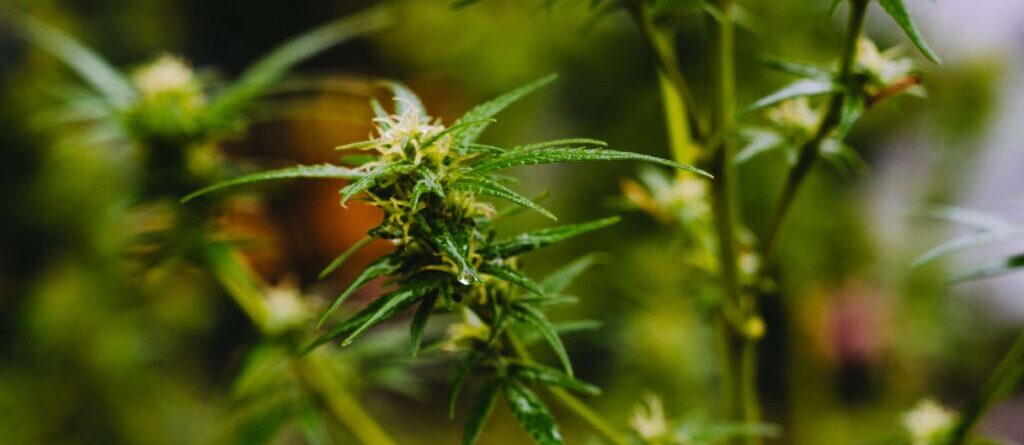
The hemp plant has morphological characteristics that differentiate it from the rest of the cannabis varieties that can be found. In general, it is a plant that has great vertical development and almost no horizontal development, which is why it usually tends to easily exceed 2 meters in height, reaching up to 5 meters. It develops large, webbed leaves with medium to medium-large leaflets. The internodal distance it develops is very wide, and can be greater than 15 cm. Usually, its branches and trunks have a higher density and have a higher percentage of fiber. The flowers that form on them are not too conspicuous since they have a spiky and unappetizing appearance.
DIFFERENCES IN THE USE OF HEMP AND MARIJUANA
Hemp, as we have already briefly commented, is used to taking advantage of its fibrous parts, flowers, and seeds to make multiple products, foods, and materials, which we are going to list.
Products produced from hemp:
- Different types of clothing and textiles: shirts, pants, slippers, curtains, etc.
- Construction material: bricks, thermal insulation, panels, etc.
- Cosmetic products: creams, oils, shampoos, etc.
- Animal and human nutrition: water, hemp oil, hemp seeds, pasta, flour, etc.
- Medicinal products rich in CBD: creams, oils with CBD, flowers, etc.
- Industrial material included in different components of vehicles, machinery, etc.

CONCLUSION
As you can see, the hemp plant is used in its entirety and an infinite number of products, materials, and medicines can be produced, making it one of the most versatile plants in the world.
However, the cultivation of marijuana is intended for the production of flowers with a medicinal and/or recreational nature, of which the rest of the components are not used for the elaboration of other products since it does not stand out for being a great producer of fiber…


